

Drooling, also known as sialorrhea, is a common phenomenon among children with neurodisability, affecting approximately 30-58% of this population, yet it often remains underdiagnosed and undertreated (Erasmus et al., 2009; Riva et al., 2022). In the South African context, limited research has been conducted on this phenomenon. The effect of drooling extends beyond personal physical discomfort but leads to poor hygiene and skin irritation around the mouth and chin (Reilly et al., 2021). The effect depends on the child’s age; drooling can stigmatise them, leading to isolation and difficulties in forming relationships with other children and further affecting their emotional well-being (Van der Burg et al., 2017; Orriëns et al., 2024). This study investigates the prevalence, severity, and frequency of drooling in children with neurodisability. It further explores its impact on caregivers and teachers, and looks at the management strategies that are currently in place to address drooling in the educational context within KZN.
Funder
Study Sites
Special Schools in KwaZulu-Natal
Deliverables
Publication, conference presentations, webinars Human development (teacher workshops)
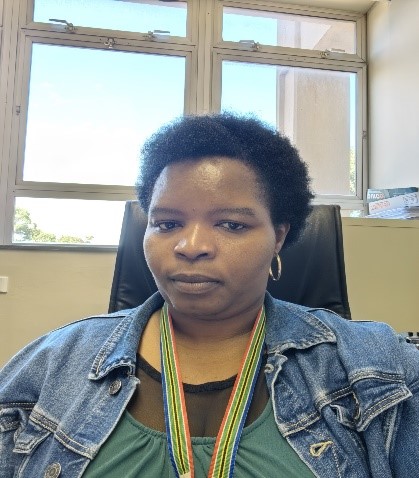
Researcher
Contact Details
Dr Nontokozo L. Mbatha
Email: Mbathan2@ukzn.ac.za
Tel: 0836122520